Every sheet of Kagzi paper passes through six stages of transformation each one attended to by a human hand, not a machine. This is how we make paper that lasts.
Paper is not manufactured here. It is grown nurtured from raw cotton waste through water, patience, and skilled hands into something the world needs more of: a surface that holds meaning.
Our process has not changed in centuries. Not because we haven't tried new things – but because the old way, done with care, still produces the finest paper on earth.
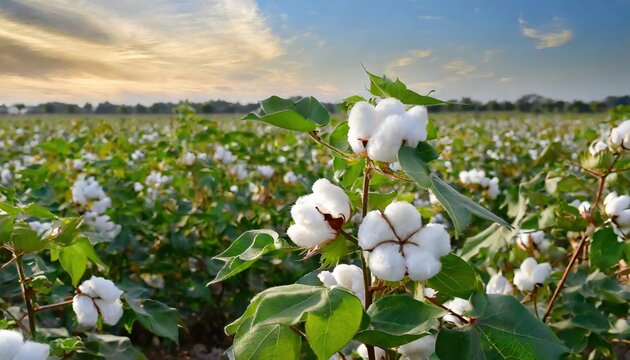
Cotton rag is not just a material to us — it is the reason our handmade paper exists at all.
A fibre with 95% cellulose purity, rescued from textile waste and recycled paper sources, then reborn as something archival, beautiful, and permanent.
This handmade in India craft paper reflects the heritage of sustainable paper products and timeless paper handmade paper artistry. Here is the science behind why it works.
Cotton fibre is among the purest natural sources of cellulose available on earth at 95% cellulose by dry weight, it requires minimal processing, produces no harmful by-products, and creates paper of extraordinary strength and longevity. This is why archivists, artists, and luxury brands have trusted cotton rag paper for centuries.
Global cotton production reached over 23,000 thousand metric tons in 2022-23. India - at 5,661 thousand metric tons sits at the heart of this supply chain. The textile waste this generates is our primary raw material. We turn what the industry discards into paper that lasts.
Cellulose is the natural backbone of every handmade sheet, giving cotton rag paper its remarkable strength and durability. In cotton, these fibres exist in their purest form, creating handmade paper with exceptional texture, flexibility, and archival quality.
Unlike ordinary wood-pulp paper, cotton rag is lignin-free, which means recycled paper made from cotton will not easily yellow, crack, or become brittle over time. This is why handmade in India paper products, luxury journals, diary notebook collections, and premium paper for art and craft can last for generations.
Some of the oldest cotton rag manuscripts are over 600 years old — still beautiful, still readable. That is the legacy behind every Kagzi paper creation.
We don't just preserve tradition. We question it — carefully, scientifically, with the same hands that have made cotton rag handmade paper for decades.
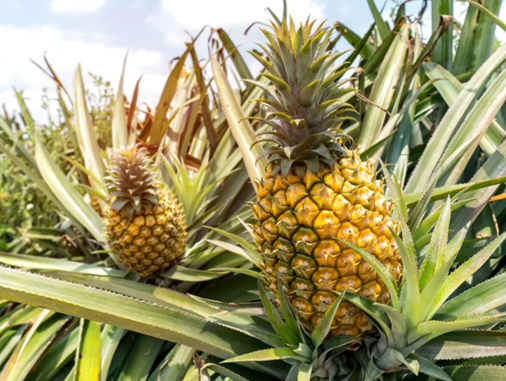
Our research programme explores what happens when agricultural waste is transformed into sustainable recycled paper and innovative paper products instead of being discarded. Pineapple is one of the world’s most produced fruits, yet nearly 60% of the plant — the leaves, crown, and stem — is treated as waste.
In our workshop in Sanganer, we asked a different question: what if we made paper from it?
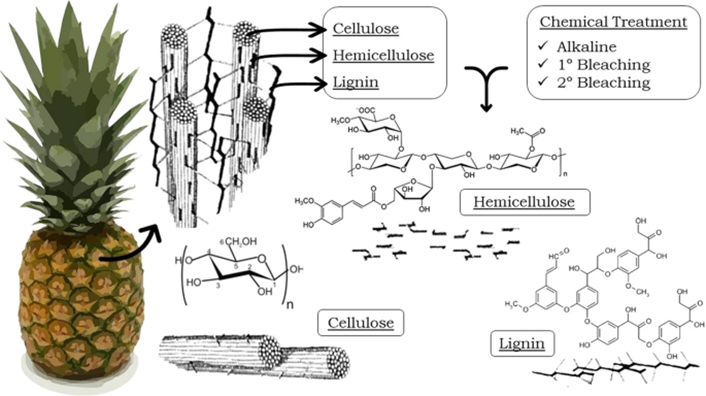
Every pineapple harvested, 60% of the plant becomes agricultural waste. We're working to make that number mean something different.
With a cellulose content of 66.2% and a holocellulose content of 85.7%, pineapple leaf fibre is rich, dense, and workable. Critically, it contains only 4.28% lignin - meaning less chemical treatment is required, aligning directly with our zero-harm commitment.
The ten largest pineapple-producing countries generated over 20,000 thousand metric tons in 2022.
The leaf waste from this is staggering - and almost none of it becomes paper.
Values in 1,000 metric tons · Source: FAO 2022 · ★ Our home country.
Shredded pineapple leaves are treated with a mild alkaline solution to break down the outer cellular structure and begin separating cellulose from surrounding plant matter. The leaves soften, begin to open up, and reveal the fibre within.
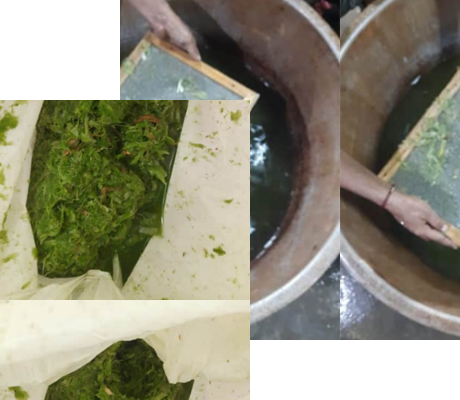
An initial bleaching stage removes the residual deep-green pigmentation of the leaf and softens the fibre further – producing a pale, workable pulp that begins to resemble something a vat would welcome.
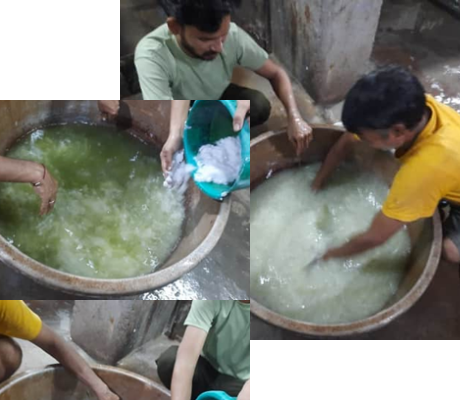
A final refining stage produces a clean, bright fibre suspension ready for the vat, the mould, and the hands of our craftspeople. The result is a pale, surprisingly strong fibre that behaves beautifully once it meets water.
Every piece of collected cotton fabric is carefully sorted by hand, where usable fibres are separated from unwanted material. Only clean and high-quality cotton is chosen to begin its journey into handmade paper.
100% Cotton | Hand Sorted
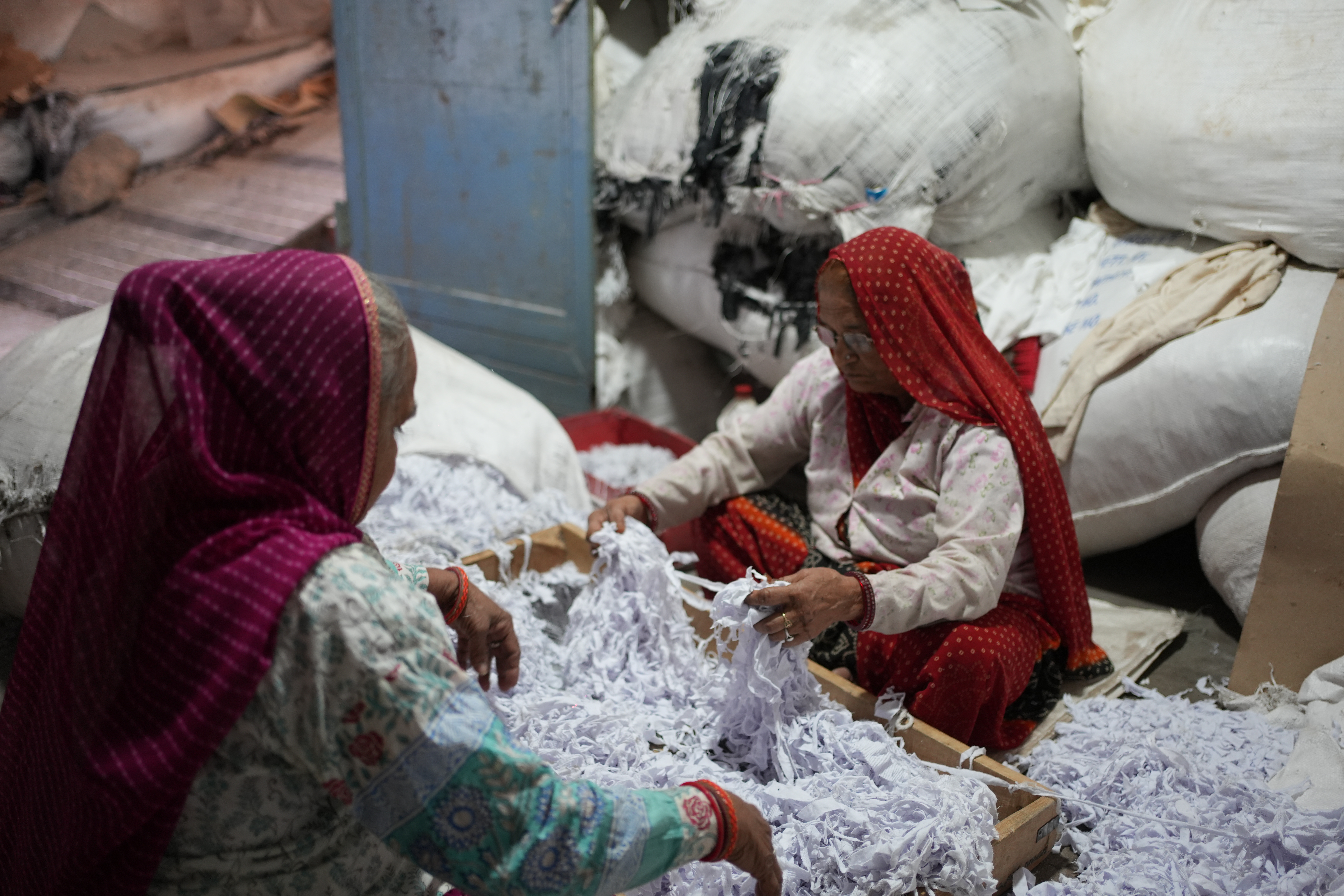
The sorted cotton rags are carefully cut into smaller, even-sized pieces to prepare the fibres for the next stage of paper making. Keeping the pieces uniform helps create a smoother and more consistent pulp, which later becomes the foundation for high-quality hand made paper, recycled paper, decorative paper,and other handmade products crafted with precision and care.
Uniform Fibre
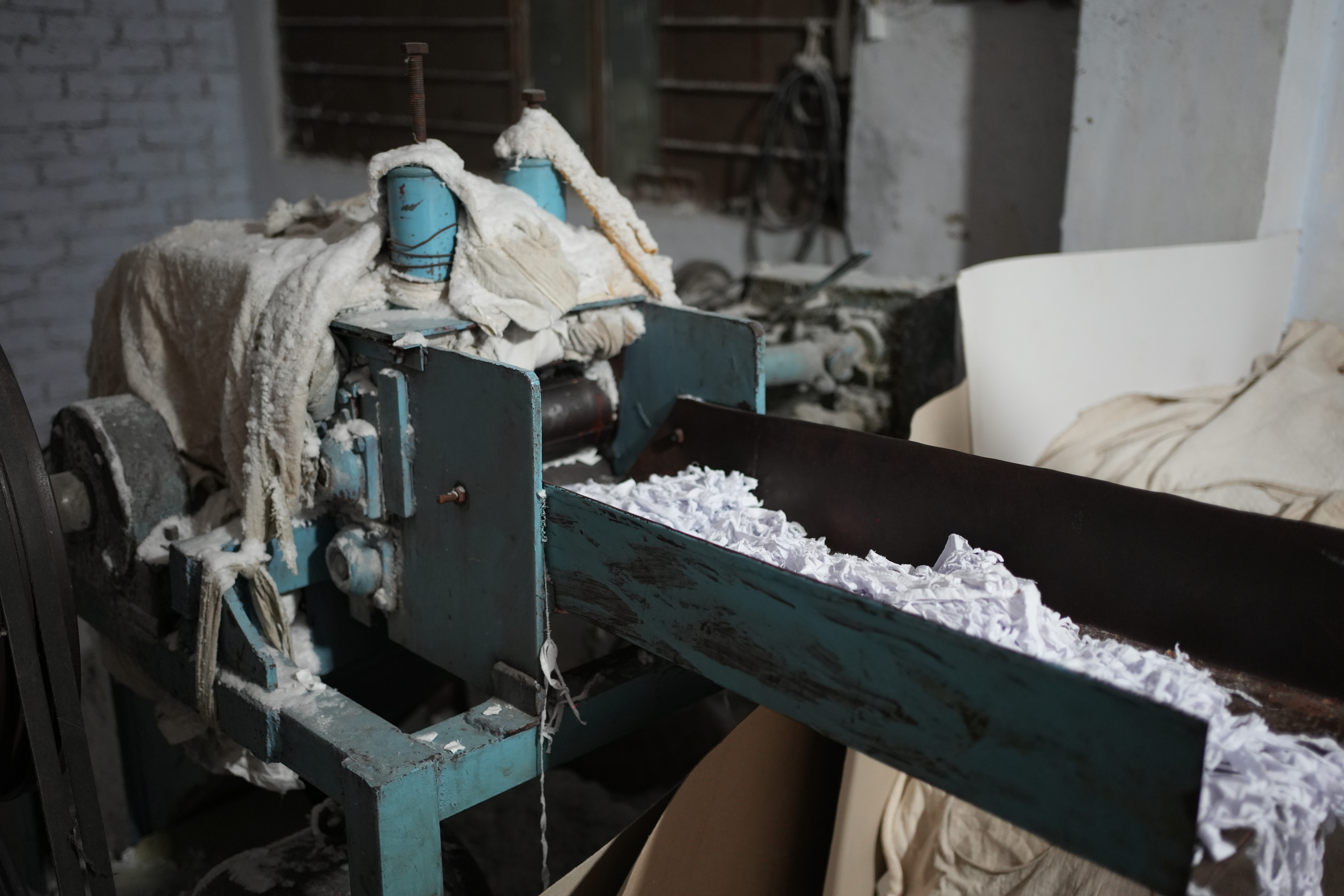
The cut cotton rags are soaked in water and gently beaten into soft pulp using traditional wooden mallets — no bleach or harsh chemicals, only natural fibres, water, and time.
Zero Chemicals | Clean Water
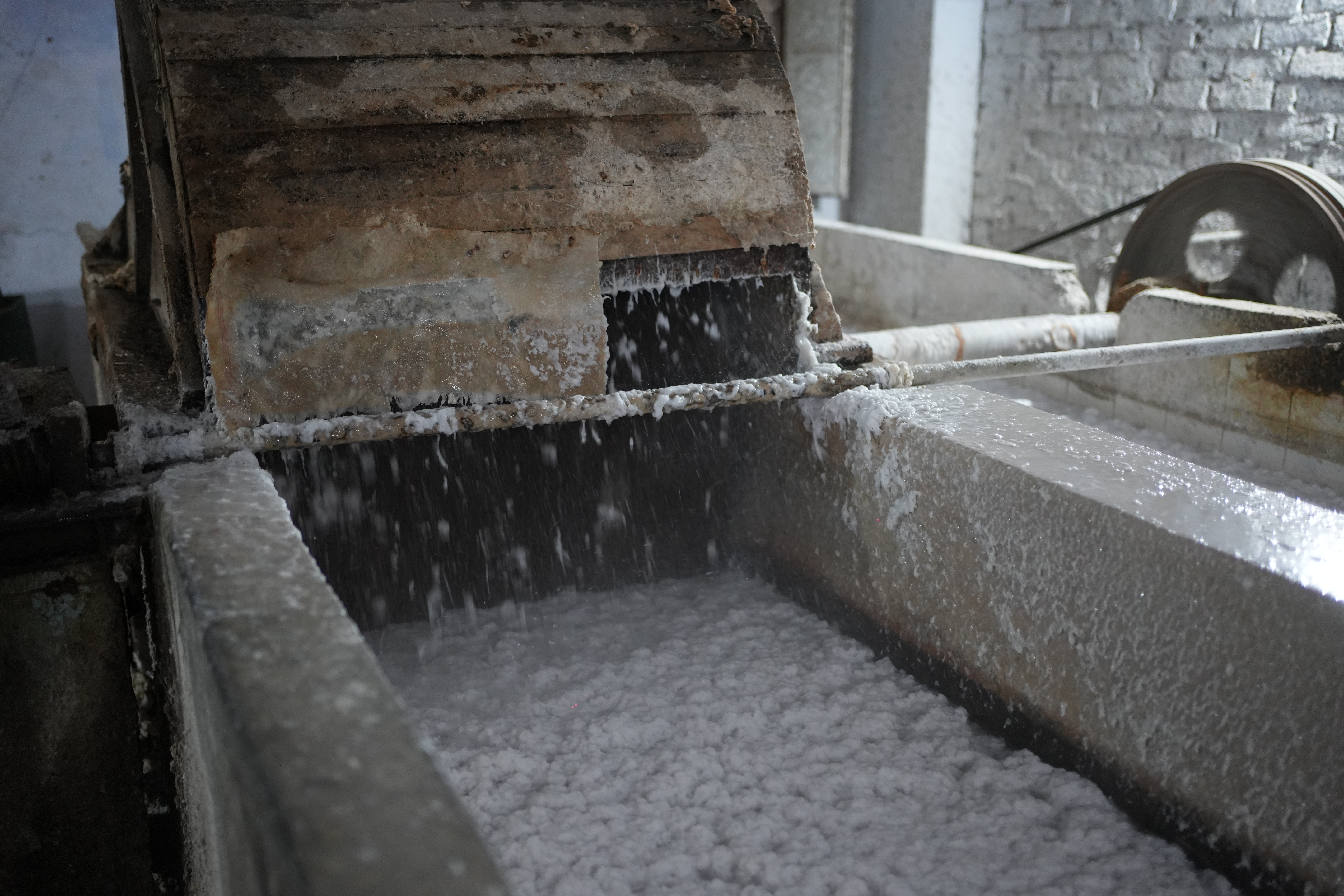
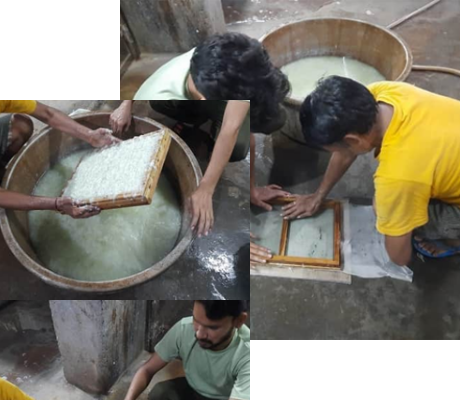
The pulp is suspended in open vats, where skilled artisans lift a mould and deckle through the mixture to form an even fibre layer. This simple handcrafted process gives shape to every sheet of hand made paper with precision and care.
Deckle Edge | By Hand
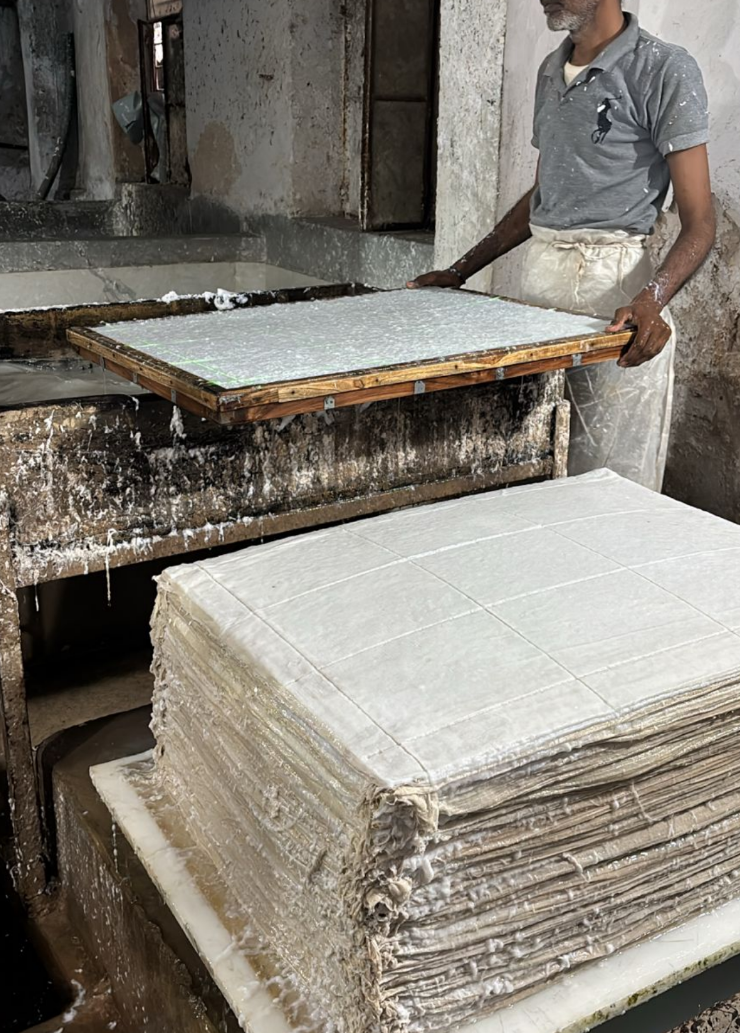
The freshly formed, water-heavy sheet is carefully pressed onto a smooth cotton surface to remove excess water and begin the bonding process.
Fibre Bonding
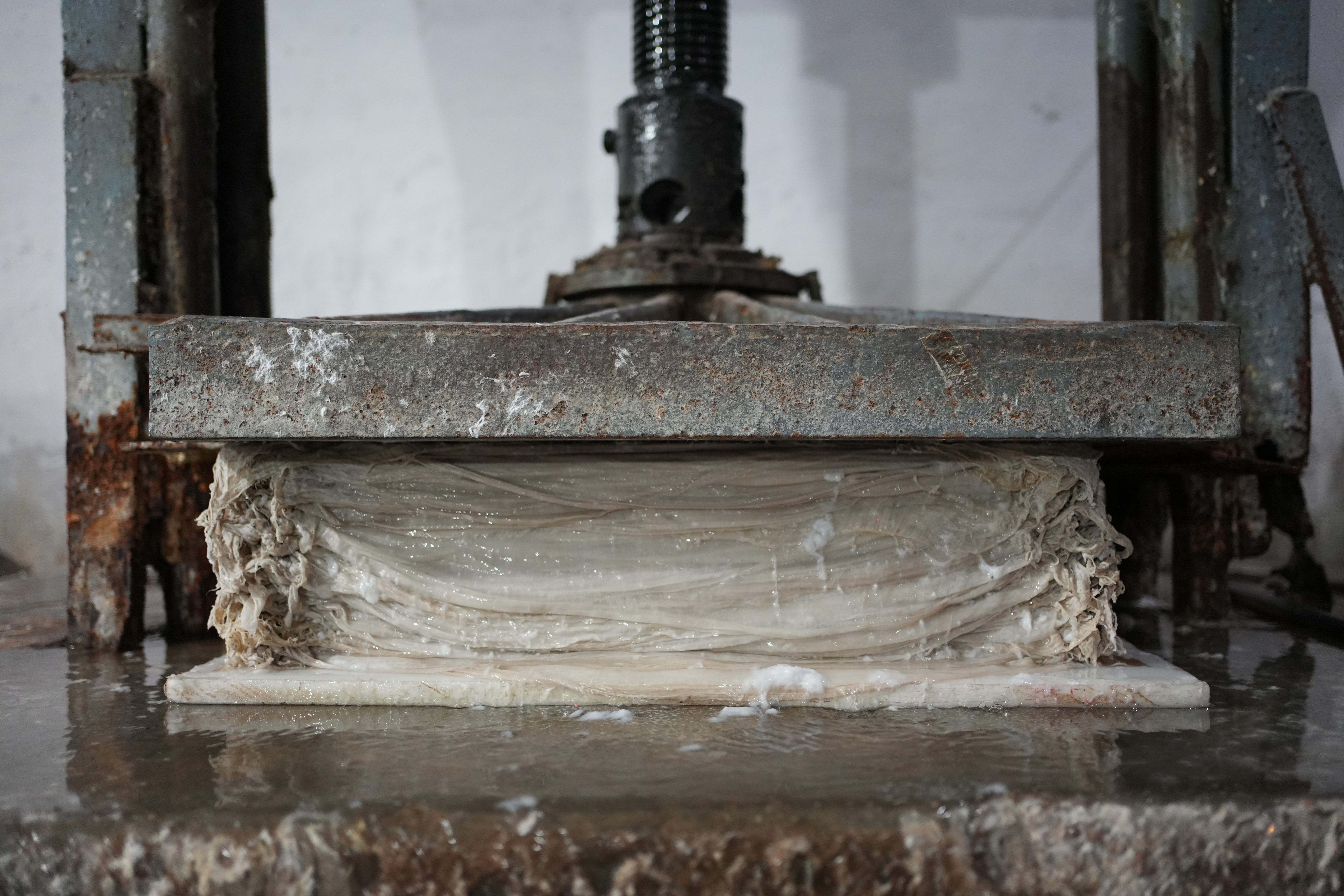
Pressed sheets are carefully separated from the cotton surface one by one, by hand without tearing. This requires patience and a practiced touch.
Hand Release
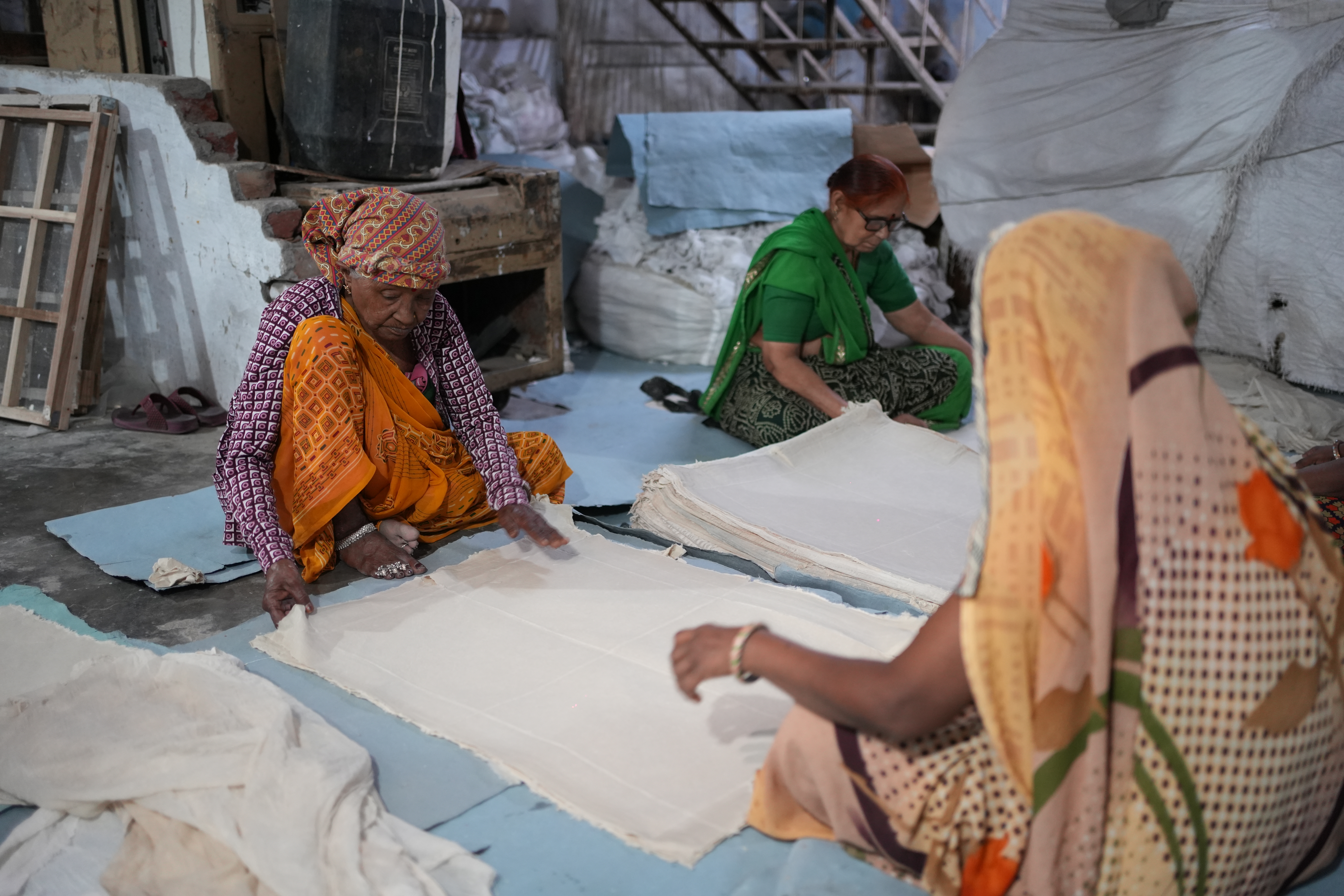
Sheets are laid out under Rajasthan's open sky. No electric dryers. No forced heat. Just sun, wind, and time allowing fibres to bond slowly and evenly.
Sun Dried | Zero Energy
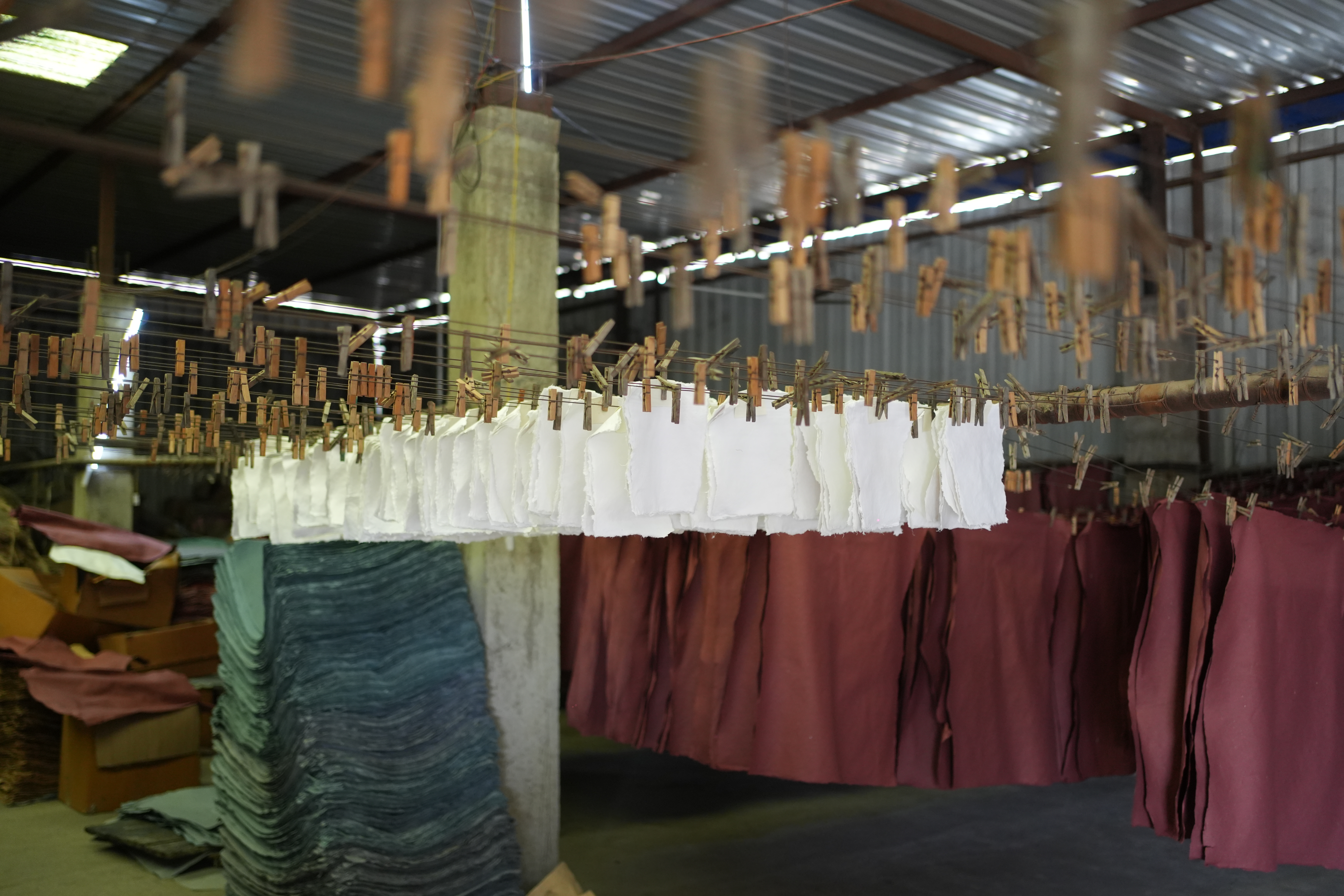
All process water is treated and returned to the ground. Off-cut fibre and trim waste are recycled back into the pulp vat. Nothing leaves the workshop as waste.
Zero Waste | Closed Loop
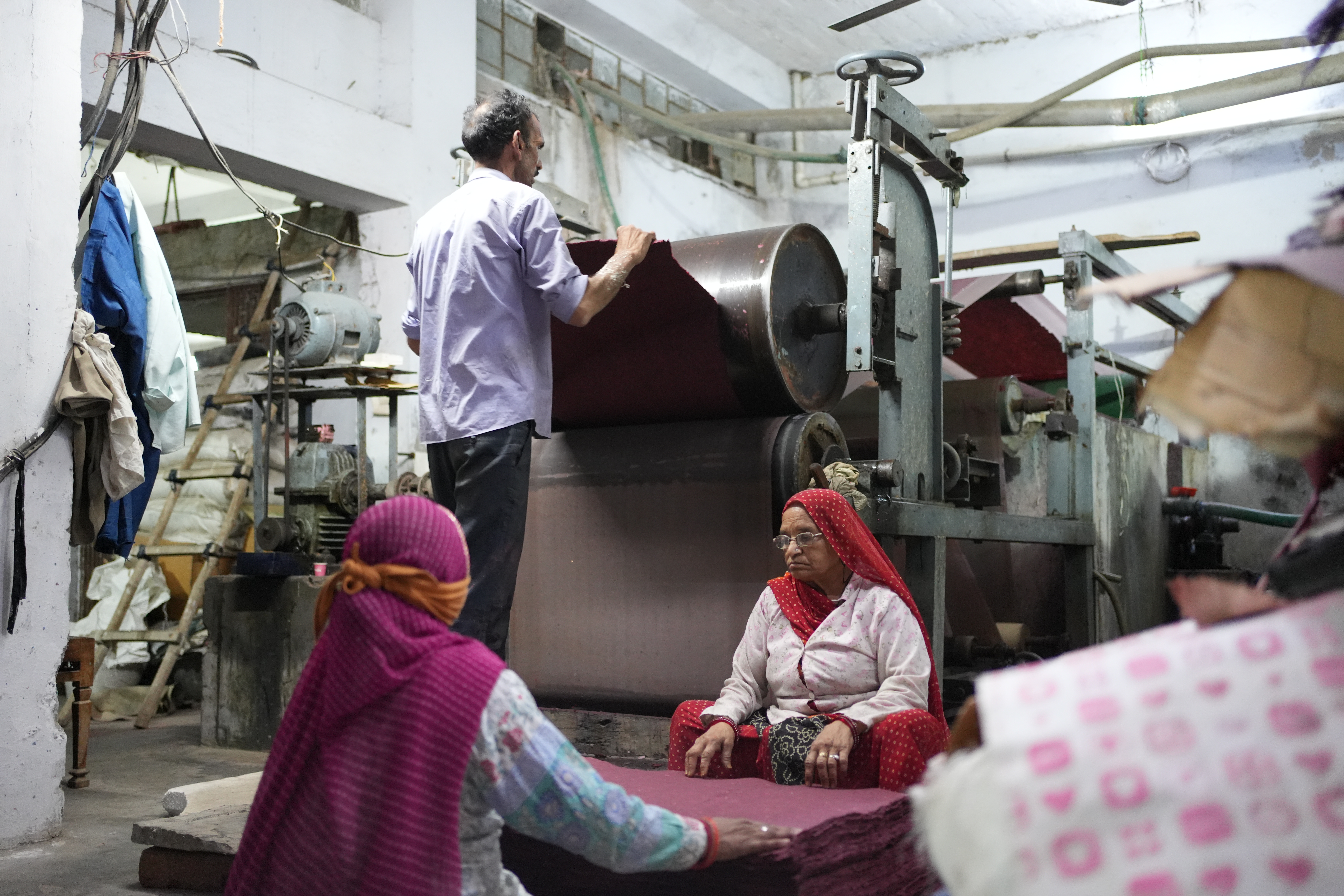
Dried sheets go through a final pressing stage flattening, smoothing, and achieving the right surface texture for each product specification.
Surface Finish
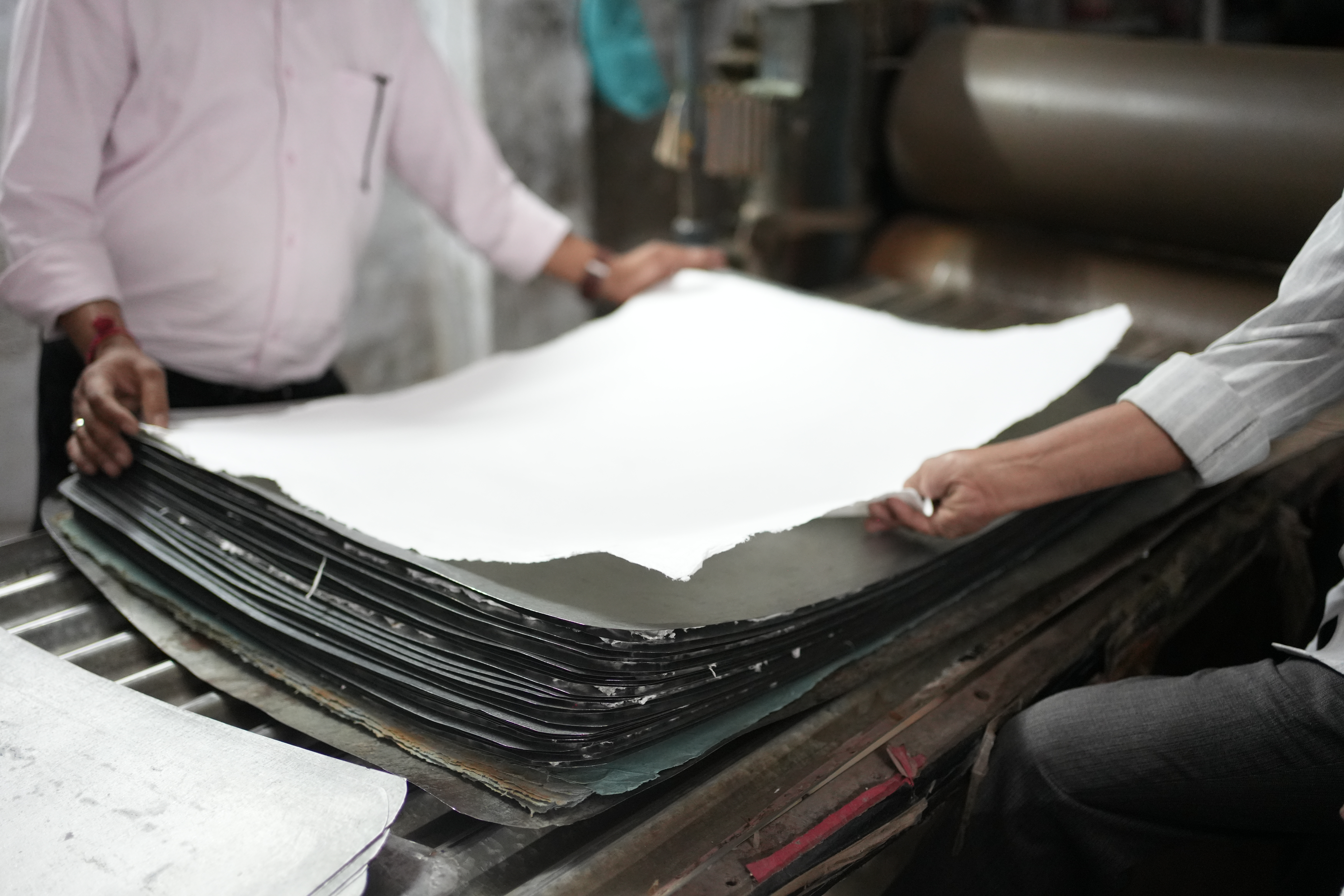
Finished paper sheets are carefully moved to the workshop, where they are transformed into premium paper products such as journal notebook collections, bags, boxes, paper notebook designs, and other handcrafted creations.
Internal Transfer
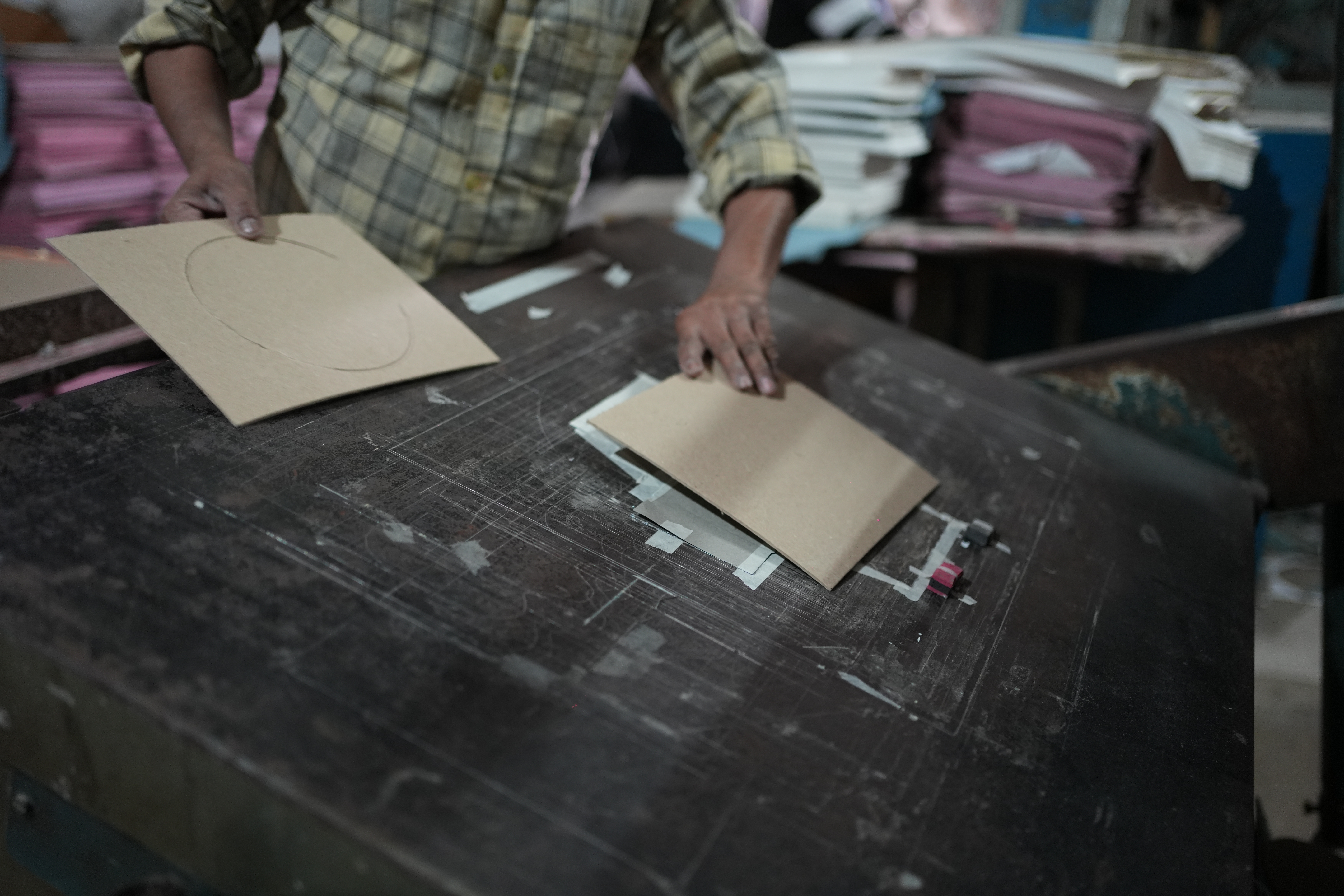
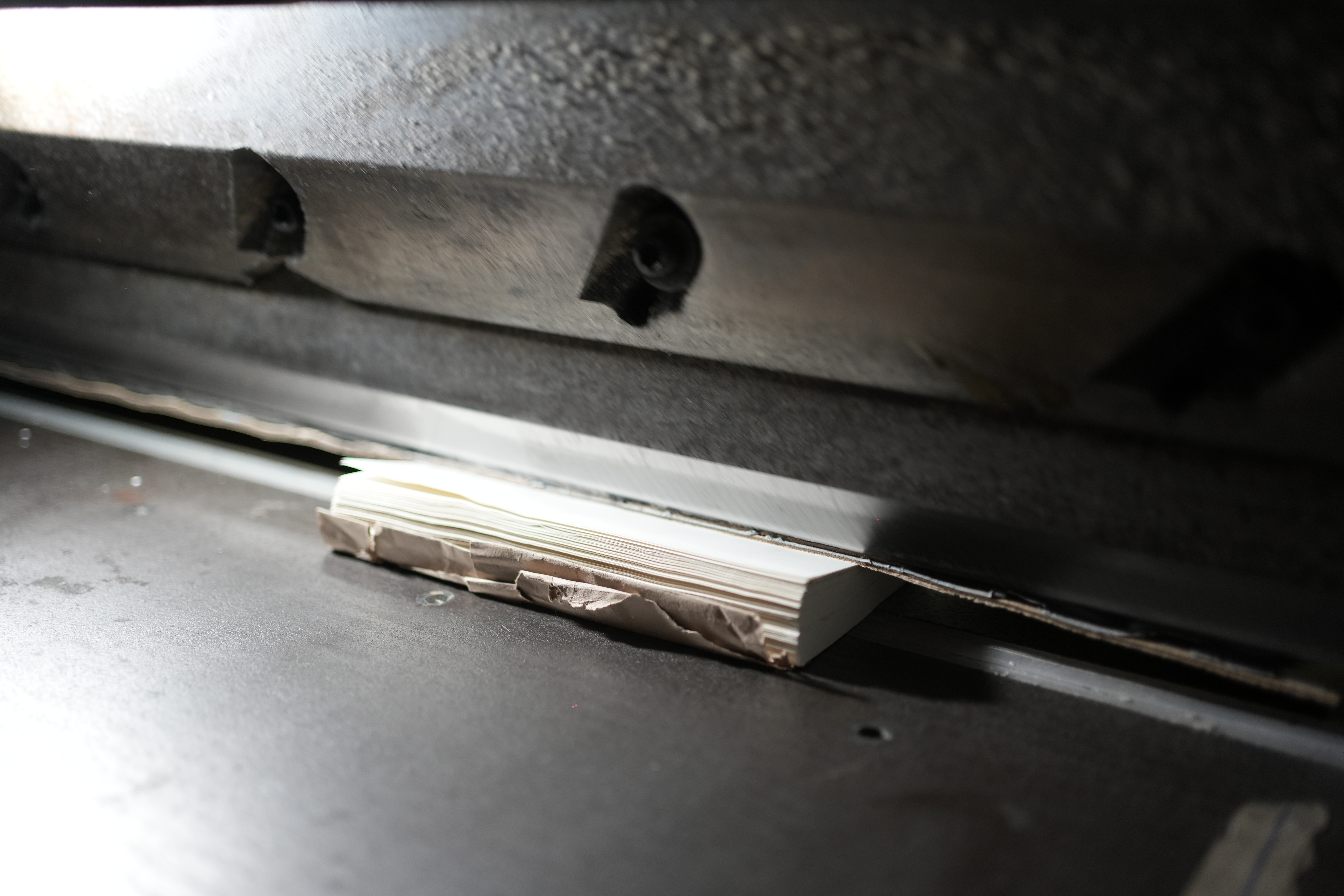
The handmade paper sheets are cut with precision into product dimensions, envelope sizes, book pages, and bag panels — ensuring consistency and quality in every paper product and handmade diary creation.
Precision Cut | Custom Size
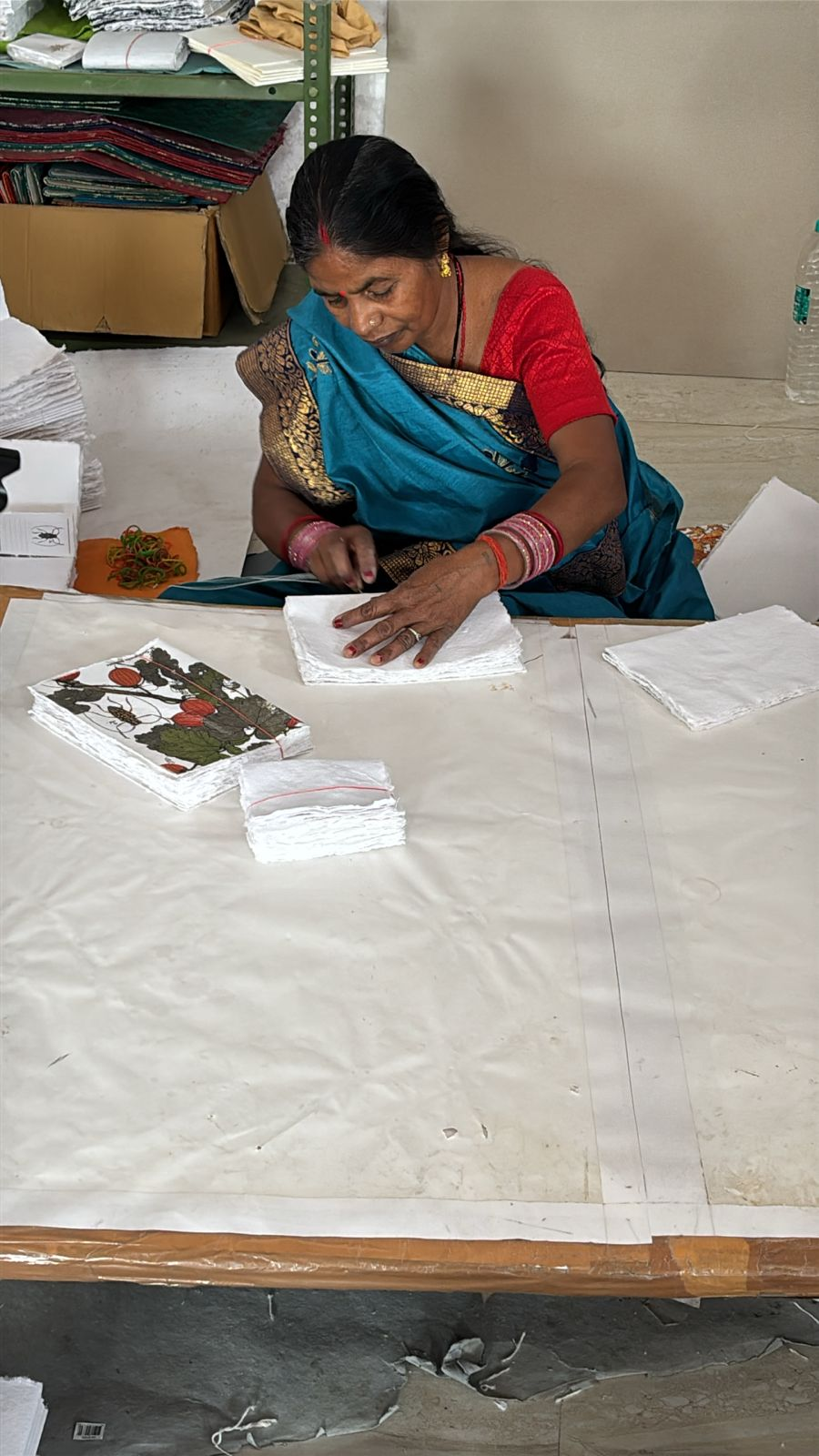
For journals, notebooks, and bound products coptic or traditional stitching binds the pages by hand. Each spine is finished by a craftsperson who has done this thousands of times.
Hand Bound | Coptic Stitch
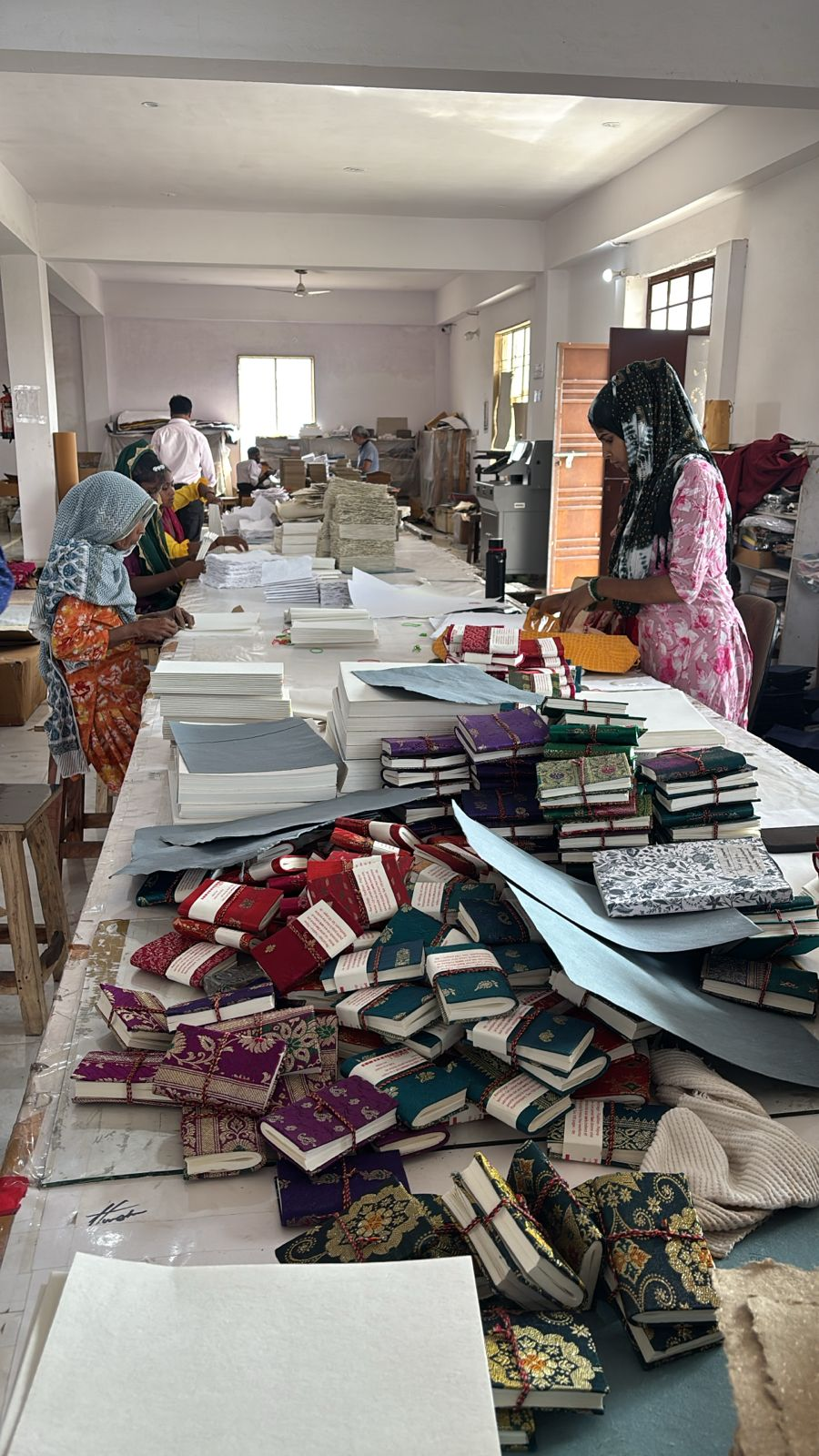
Colour, embossing, natural dye application, floral embedding, and hand-painted accents are applied. Each product receives its finished character at this stage.
Natural Dyes | Hand Finished
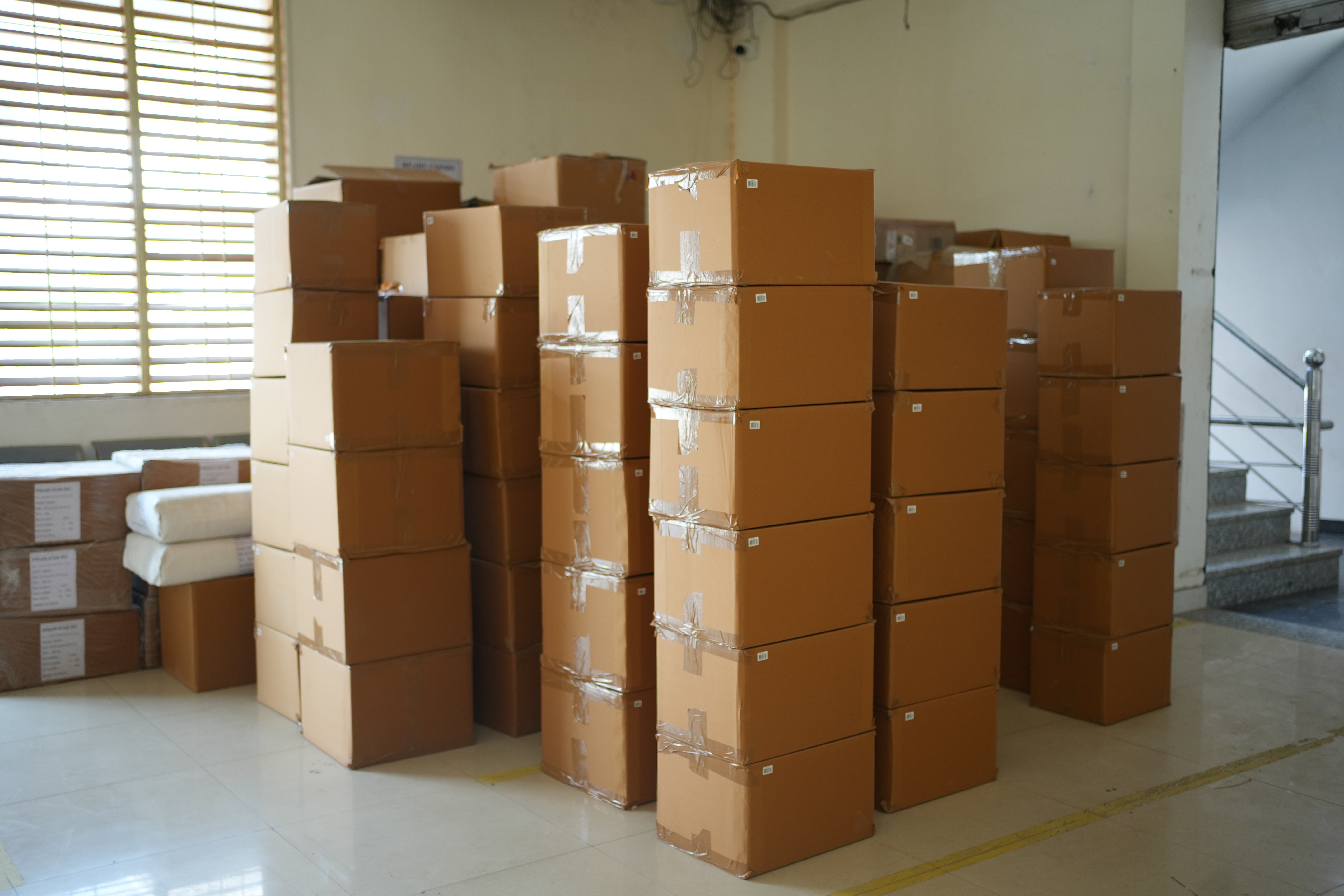
Each product is hand-inspected, graded, and packed in multi-layer moisture-free export packaging by trained professionals. Ready to travel to 30+ countries.
Export Grade | 30+ Countries
Cotton rag paper can outlast wood-pulp paper by centuries. Museums and archivists worldwide prefer it for documents meant to last.
Every sheet carries natural deckled edges on all four sides, giving each piece a unique and organic character. No two sheets of hand made paper are ever exactly alike — a true mark of authentic handmade products.
Our hand made paper is created to last — resisting yellowing, cracking, and ageing over time. Its archival quality makes it ideal for fine art, important documents, and timeless paper products meant to be preserved for years.
Zero trees. Zero harmful chemicals. 100% recycled input material. ISO 9001:2015 certified production from start to finish.
The surface texture holds ink, paint, and gold leaf differently from any other paper. Artists who use it once rarely go back to anything else.
Strong, durable, and archival in quality, cotton fibre forms the foundations of every sheet we create. Carefully sourced from reclaimed textile waste, it gives discarded fabrics a new life before it reaches landfill.
Indigenous, rough-textured, distinctly Indian. Used in our premium specialty sheets for a surface texture that tells you exactly where it was made.
Indigo, turmeric, rose petals, pomegranate rind, henna. Colour that comes from the same earth the paper was made in. Zero synthetic dyes.
From our ongoing research programme pineapple leaves yield cellulose-rich fibre that creates uniquely lightweight, translucent papers. Experimental line.
Water is at the heart of every sheet we make. Carefully treated and responsibly returned after use, it reflects our belief that paper making should work in harmony with nature, not against it.




New collections, process stories, sustainable living guides, and early access to limited editions once a month, never more.
No spam. Unsubscribe anytime. We hate clutter too.
